

Let's build something great together.
Reach out and let's get started.
Contact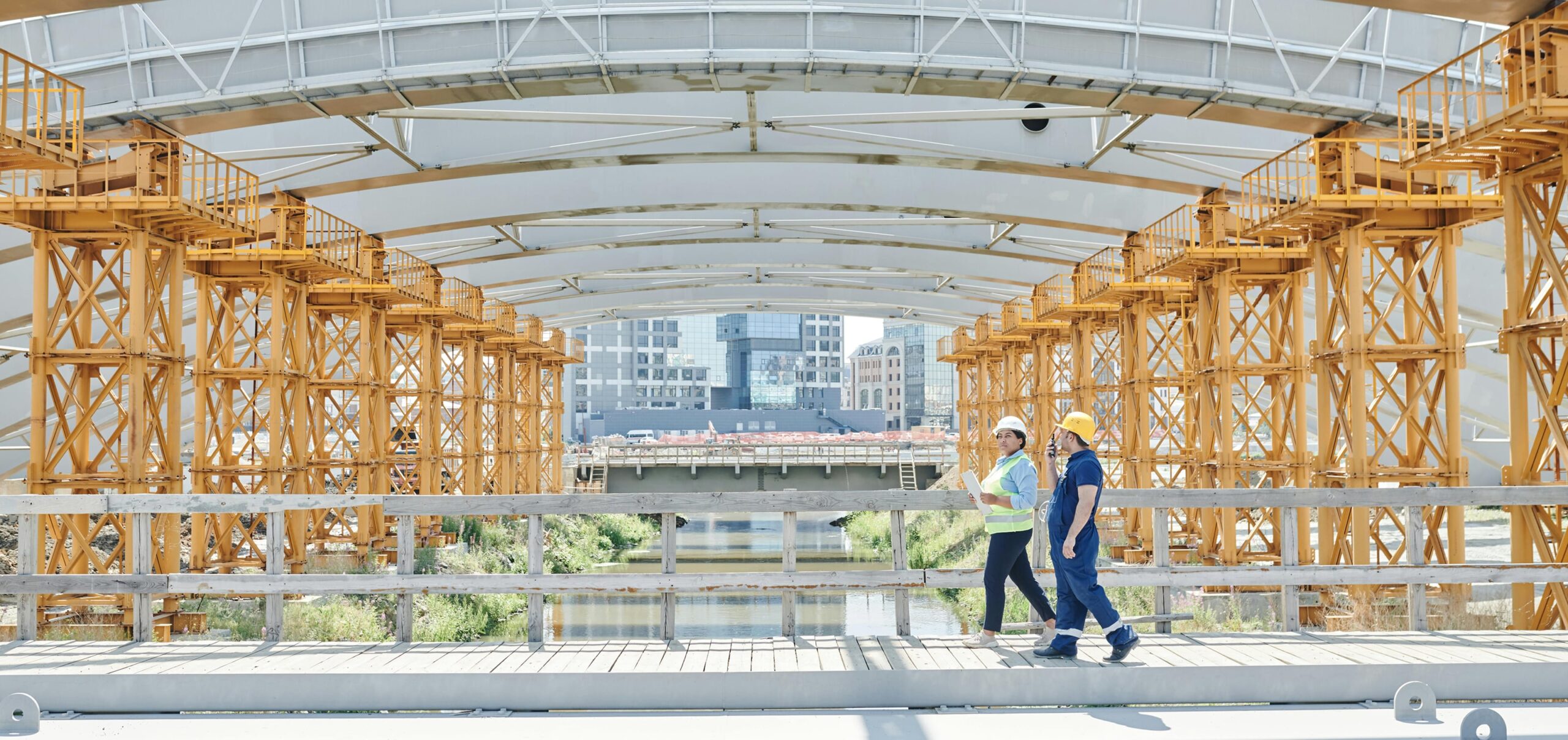
When most people think of construction project management, they picture hard hats, blueprints, and towering cranes. They imagine us walking job sites, checking progress against schedules, and ensuring that concrete is poured on time. And while those tasks are certainly part of the job, they represent only a fraction of what we actually do. The truth is that construction project management is far less about managing steel and concrete, and far more about managing people.
In fact, the success of any project hinges not just on technical execution, but on our ability to align diverse stakeholders, resolve conflicts, and keep communication flowing. The building may be the end product, but the human dynamics are what determine whether that product is delivered on time, on budget, and to the client’s satisfaction.
Every construction project is a complex ecosystem of people: clients, architects, engineers, contractors, subcontractors, inspectors, and end users. Each group brings its own priorities, pressures, and perspectives. The project manager sits at the center of this web, tasked with balancing competing interests and ensuring that everyone moves toward the same goal.
Managing people means:
Construction projects are built on communication. A single misstep—an unclear email, a missed meeting, or a misunderstood directive—can ripple through the project and cause costly delays. As project managers, we spend hours each day:
This constant communication is not just administrative. It’s strategic. The way we phrase an email, the tone we use in a meeting, or the timing of a phone call can determine whether a team feels supported or criticized, whether a conflict escalates or is resolved.
Construction is inherently stressful. Deadlines are tight, budgets are constrained, and unexpected issues arise daily. It’s no surprise that conflicts emerge—between contractors and designers, between clients and builders, or even within teams.
Here, the project manager’s role as a people manager becomes critical. We are often the mediator, tasked with finding common ground and keeping the project moving forward. This requires:
Resolving conflicts is rarely about technical details alone. It’s about relationships, trust, and the ability to guide people toward compromise.
Construction sites are high-pressure environments. Weather delays, supply shortages, and regulatory hurdles can test even the most seasoned professionals. In these moments, project managers must step in as leaders—not just taskmasters.
We motivate teams by:
Leadership in construction is less about issuing orders and more about inspiring confidence. When teams trust the project manager, they are more willing to adapt, collaborate, and push through challenges.
Every project involves stakeholders with different priorities. Clients want cost control and timely delivery. Architects want design integrity. Contractors want efficiency and profitability. Regulators want compliance. The project manager’s job is to balance these priorities without losing sight of the overall goal.
This often means:
This balancing act is less about technical construction and more about diplomacy.
So why do we spend more time managing people than construction? Because construction is ultimately a human endeavor. Buildings are designed by people, built by people, and used by people. The materials may be physical, but the process is social.
Technical issues can usually be solved with expertise and resources. Human issues—miscommunication, mistrust, conflicting priorities—require patience, empathy, and negotiation. And if those issues aren’t managed effectively, even the most technically sound project can fail.
Over years of managing projects, several lessons stand out:
As technology advances—through AI, BIM and digital project management tools—the technical side of construction becomes more streamlined. But the human side remains as complex as ever. In fact, technology often increases the need for strong people management, as teams must adapt to new systems and workflows.
The future of project management will demand even greater emphasis on communication, empathy, and leadership. Buildings may become smarter, but people will always be at the heart of construction.
Construction project management is often misunderstood as a technical discipline focused on schedules, budgets, and site logistics. In reality, it is a people-centered profession. We spend more time managing relationships, resolving conflicts, and inspiring teams than we do managing bricks and beams.
The success of any project depends not only on technical execution, but on the project manager’s ability to guide people through complexity, uncertainty, and pressure. That is why, at Fletcher, we see ourselves not just as builders of spaces, but as builders of trust, collaboration, and shared vision.
Because at the end of the day, construction is more than concrete and steel—it’s about people. And managing people is the true foundation of every successful project.